
Petrochemicals
Technology integration for petrochemical environments.
Petrochemical sites need security, communications and network infrastructure that works within classified zones and around continuous processes.
What makes it hard
The challenges we are asked to remove.
- ATEX and DSEAR classified zones covering large areas of the process site
- Continuous processes where installation work must fit turnaround and shutdown windows
- Corrosive atmospheres and washdown environments that degrade standard equipment and cabling
- Emergency communication and site security requirements on COMAH-regulated establishments
- Multiple contractor boundaries between process, electrical and telecommunications disciplines
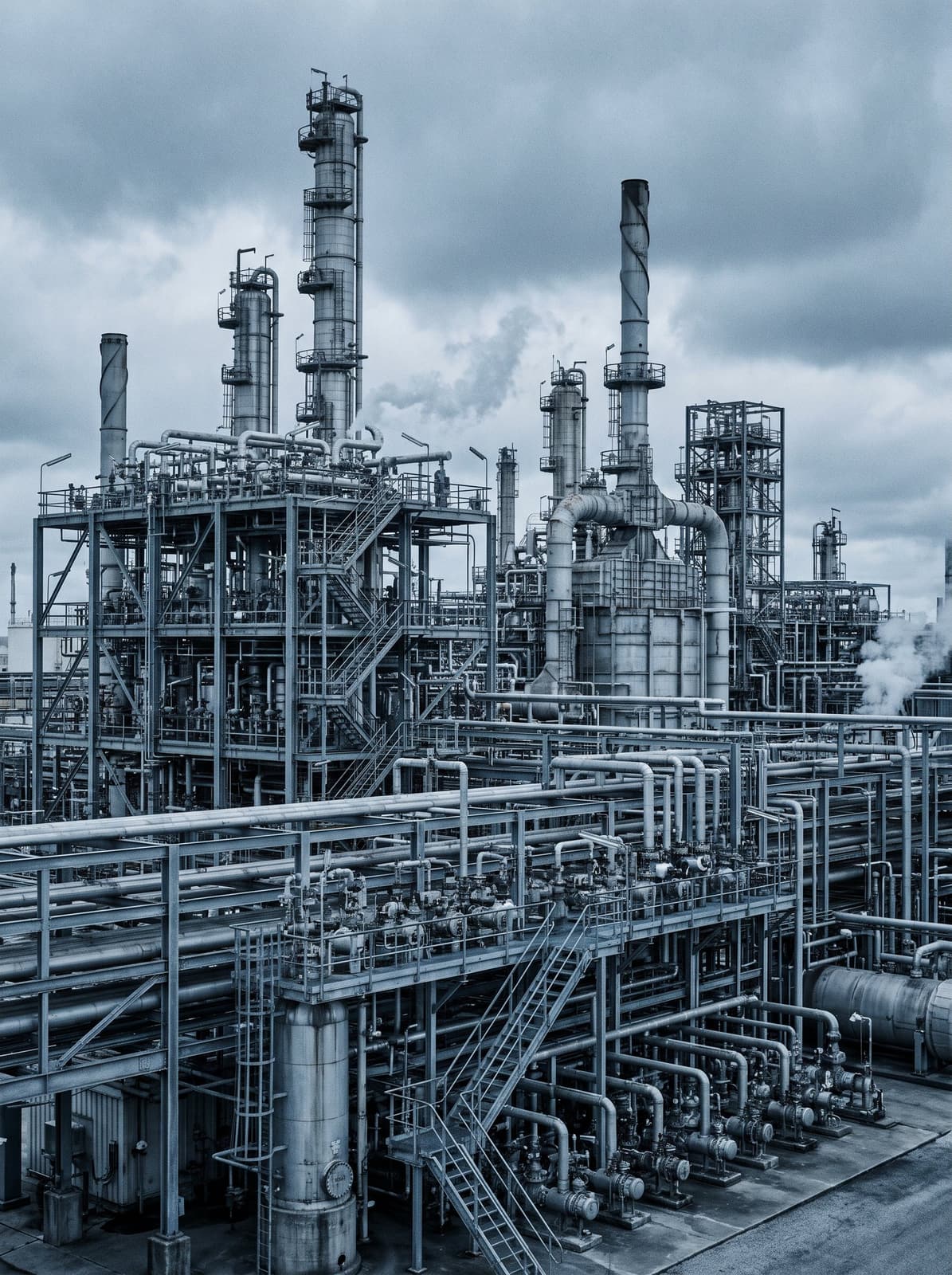
Diagram showing petrochemical technology as connected layers: hazardous-area instrumentation and field networks, process control network segregation, cybersecurity and monitoring, plant-wide communications including public address and voice alarm, security systems, all supported by managed operations.
Sector context
What makes petrochemical site technology different
On a petrochemical site, area classification decides what may be installed, not the equipment catalogue. DSEAR requires the employer to identify places where an explosive atmosphere may occur and classify them into zones. The zone then sets the level of protection that equipment must provide, and enclosure and cable entry selection follows from that. BS EN 60079-14 covers the design, selection and erection of electrical installations in classified areas; BS EN 60079-17 covers their inspection and maintenance, so the obligation continues long after handover. A process change that moves a zone boundary can invalidate an installation that was correct when it was built.
Where an establishment falls within COMAH, the operator must take all measures necessary to prevent major accidents and limit their consequences, and an upper tier operator must submit a safety report to the competent authority. Where a change could have significant repercussions for major accident hazards, that report has to be reviewed and, where necessary, revised, so alarm and communication systems described in it cannot follow an ordinary IT change schedule. Work inside process areas runs under permit and isolation, so installation sequence follows operations and turnaround planning rather than the technology programme.
Relevant capabilities
How we respond.
Hazardous-area-rated CCTV, detection and communications system design
OT network segmentation between process control and enterprise systems
Site-wide PA/VA, radio and emergency communications integration
Environmentally rated cabling, containment and enclosure engineering
Perimeter intrusion detection and access control for COMAH-regulated sites
Certifications, framework positions and sector references are stated only once verified. Relevant evidence is shared during qualification, subject to confidentiality.
Next step
Bring the complete environment into one conversation.
Tell us what you are planning, replacing, integrating or trying to stabilise. We will help define the right next step.